4 Foods Your Senior Loved Ones Should Avoid, Unlimited Care Cottages, Spring, TX
|

4 Foods Your Senior Loved Ones Should Avoid

As people age, their bodies slowly lose their tolerance for certain foods that can present potential hazards. While a rare treat is probably alright, frequent consumption of these less than safe foods can lead to extensive health risks. As you care for your aging loved ones, make sure you’re aware of what foods seniors should avoid and which are safe.

[bctt tweet=”What foods should your senior loved ones never eat again? Learn the answers and associated risks here.” via=”no”]
4 Foods Your Senior Loved Ones Should Avoid, Unlimited Care Cottages, Spring, TX

Unsafe Foods

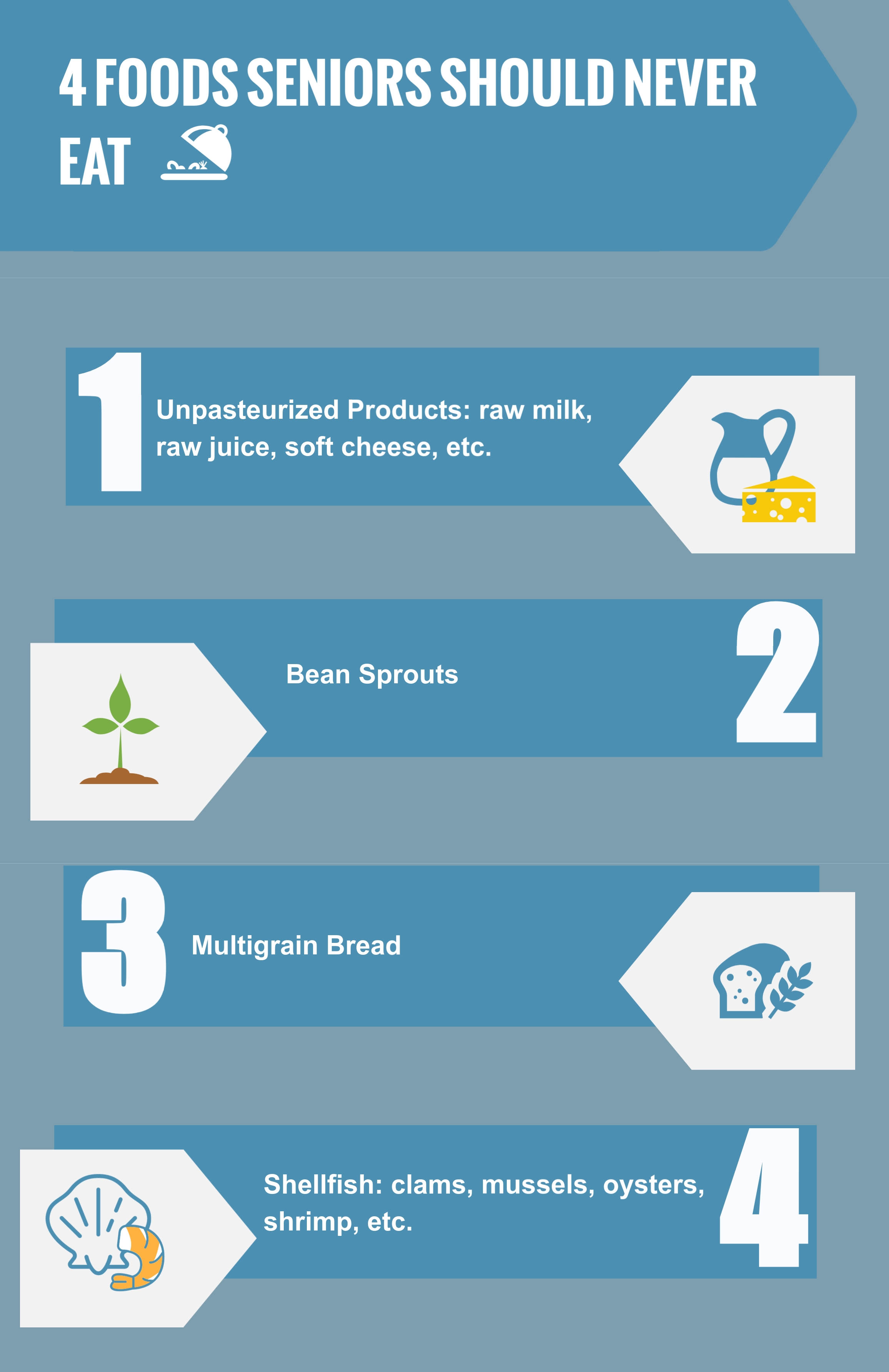
Certain foods, due to their preparation, are already somewhat risky for people to eat too much of. These same foods can be potentially deadly for seniors with weakened immune systems. Make sure your senior loved one has plenty of appealing alternatives to these unhealthy foods:

  1. Unpasteurized products
  2. Bean sprouts
  3. Multigrain bread
  4. Shellfish

1) Unpasteurized Products

Most commercially available milk, juice, or cheese has been thoroughly pasteurized to kill any harmful bacteria that can make you sick. However, there are some exceptions. Soft cheese such as Brie is rarely pasteurized and generally stored at room temperature, making it a fantastic breeding ground for bacteria. Additionally, even though pasteurization can destroy some nutrients in milk or juice, food manufacturers make sure to add supplemental minerals and vitamins to their products to make up for it. Opting for “natural”, unpasteurized milk is an incredibly unhealthy choice for anyone, especially seniors with delicate immune systems.

Pro Tip: Freshly squeezed fruit juice can be stored in the fridge for up to two weeks, giving your senior loved ones a chance to make their own natural drinks without the need for pasteurization.

2) Bean Sprouts

Sprouts are a very nutritious choice for many younger people. However, seniors will find that these vegetables contain high amounts of bacteria and can be just as hazardous to consume as unpasteurized milk. Encourage your loved ones to get their nutrients through vegetables like salad greens or cucumbers.

3) Multigrain Bread

Multigrain bread is a healthy form of bread full of nutrients. However, not everything labeled that way in the grocery store is actually multigrain bread. Sometimes, a closer look at the label will reveal that what looks like a healthy loaf of bread is actually just white bread that has been colored and supplemented just enough to look like a passable multigrain loaf. Your senior loved ones should take care to only consume true multigrain bread from a trusted source.

4) Shellfish

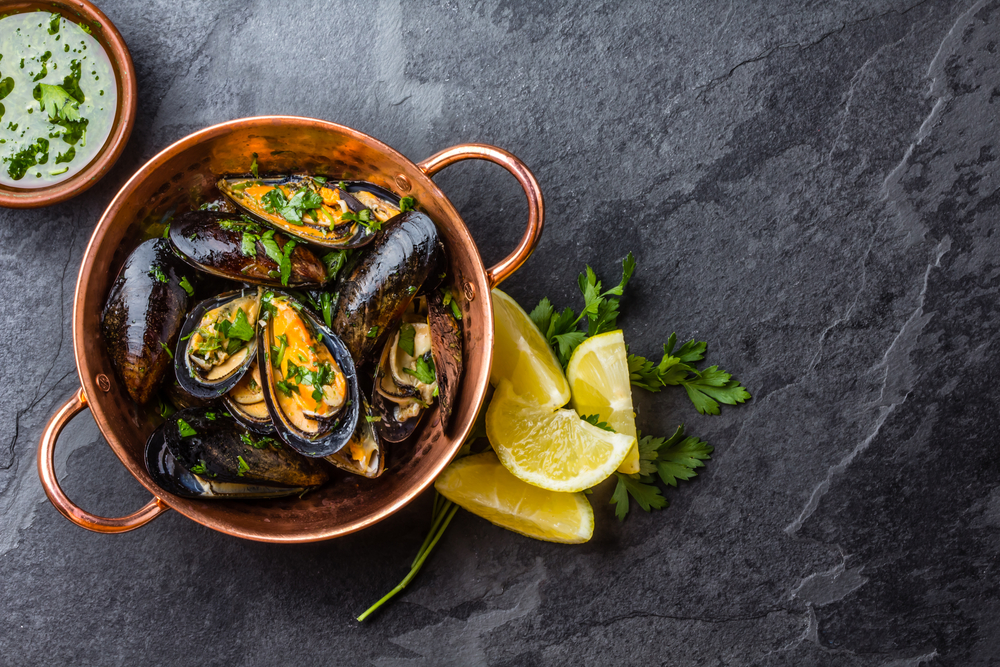
Clams, mussels, and oysters are common but less than healthy types of seafood. Unless they are thoroughly cooked, plenty of bacteria can still survive and make a vulnerable elderly family member sick. This doesn’t mean your loved one has to give up on seafood entirely, however. Options such as baked or grilled fish are perfectly safe and very nutritious.

Promote a Healthy Diet

Whether your aging family member regularly prepares their own meals or their assisted living facility serves food, make sure both parties are well aware of which foods seniors should avoid for their own health. Encourage your loved ones toward less risky alternatives so they can continue enjoying the food they love with a significantly decreased risk to their health.

Connect with us for more information on healthy foods for older adults and seniors.

Similar Posts

  • | |

    Healthy Diet Choices for Seniors

    [et_pb_section fb_built=”1″ admin_label=”section” _builder_version=”4.16″ global_colors_info=”{}” theme_builder_area=”post_content”][et_pb_row admin_label=”row” _builder_version=”4.16″ background_size=”initial” background_position=”top_left” background_repeat=”repeat” global_colors_info=”{}” theme_builder_area=”post_content”][et_pb_column type=”4_4″ _builder_version=”4.16″ custom_padding=”|||” global_colors_info=”{}” custom_padding__hover=”|||” theme_builder_area=”post_content”][et_pb_text admin_label=”Text” _builder_version=”4.16″ background_size=”initial” background_position=”top_left” background_repeat=”repeat” global_colors_info=”{}” theme_builder_area=”post_content”] As your loved ones age, their diets will become more restricted as they monitor their health more closely. Fortunately, they still have plenty of tasty, nutritious foods to choose…

  • | |

    Why Your Senior Loved Ones Should Practice Self-Care

    [et_pb_section fb_built=”1″ admin_label=”section” _builder_version=”4.16″ global_colors_info=”{}” theme_builder_area=”post_content”][et_pb_row admin_label=”row” _builder_version=”4.16″ background_size=”initial” background_position=”top_left” background_repeat=”repeat” global_colors_info=”{}” theme_builder_area=”post_content”][et_pb_column type=”4_4″ _builder_version=”4.16″ custom_padding=”|||” global_colors_info=”{}” custom_padding__hover=”|||” theme_builder_area=”post_content”][et_pb_text admin_label=”Text” _builder_version=”4.16″ background_size=”initial” background_position=”top_left” background_repeat=”repeat” global_colors_info=”{}” theme_builder_area=”post_content”] Self-care can range from periodic exercise to mental health breaks to care for one’s physical appearance. While these activities are important for anyone to practice in their everyday lives,…

  • |

    The Benefits of Vitamin D for Senior Health

    [et_pb_section fb_built=”1″ admin_label=”section” _builder_version=”4.16″ global_colors_info=”{}” theme_builder_area=”post_content”][et_pb_row admin_label=”row” _builder_version=”4.16″ background_size=”initial” background_position=”top_left” background_repeat=”repeat” global_colors_info=”{}” theme_builder_area=”post_content”][et_pb_column type=”4_4″ _builder_version=”4.16″ custom_padding=”|||” global_colors_info=”{}” custom_padding__hover=”|||” theme_builder_area=”post_content”][et_pb_text admin_label=”Text” _builder_version=”4.27.2″ background_size=”initial” background_position=”top_left” background_repeat=”repeat” hover_enabled=”0″ global_colors_info=”{}” theme_builder_area=”post_content” sticky_enabled=”0″] Micronutrients are an important part of anyone’s diet. For seniors, these micronutrients are especially essential. One particularly crucial nutrient for seniors is vitamin D. Between a healthy…

  • | |

    5 Important Vaccines for Seniors

    As autumn approaches, it’s time to make sure you’re protected against common fall illnesses. This is especially important for your senior family members, who may very well be immunocompromised. Doctors and qualified assisted living staff members can help you decide what steps to take to protect your loved ones’ health. In addition, make sure to…

  • | |

    How to Exercise When You Have Limited Ability

    Anyone can still exercise with limited ability to improve their physical and mental health. You must not let an illness, disability, or injury prevent you from doing regular exercises because many activities can keep you fit, including chair exercises. If you want to maximize the benefits of fitness exercise, it’s time to explore several fitness…

  • |

    Dealing with Diabetes in a Senior Loved One

    [et_pb_section fb_built=”1″ admin_label=”section” _builder_version=”4.16″ global_colors_info=”{}” theme_builder_area=”post_content”][et_pb_row admin_label=”row” _builder_version=”4.16″ background_size=”initial” background_position=”top_left” background_repeat=”repeat” global_colors_info=”{}” theme_builder_area=”post_content”][et_pb_column type=”4_4″ _builder_version=”4.16″ custom_padding=”|||” global_colors_info=”{}” custom_padding__hover=”|||” theme_builder_area=”post_content”][et_pb_text admin_label=”Text” _builder_version=”4.16″ background_size=”initial” background_position=”top_left” background_repeat=”repeat” global_colors_info=”{}” theme_builder_area=”post_content”] According to the CDC, nearly 25% of all senior adults have some form of diabetes. It’s very likely that your elderly family members may already have this disease or…