Why Smaller Is Better in Assisted Living
When most families start comparing assisted living options, they default to the same logic they’d use for a hotel or a hospital. Bigger means more resources. More staff. More amenities. More security.
It’s a reasonable assumption. It’s also often wrong.
In assisted living, size works differently. And for families in The Woodlands, Kingwood, Conroe, and across Montgomery County who are trying to find the right fit for a loved one, understanding why can change the entire search.
What Gets Lost When a Community Gets Large
A facility with a hundred residents has a lot going on. Shifts change. Faces rotate. A caregiver who worked with your mother on Monday might not be back until Thursday.
That kind of turnover, even when it’s managed well, has a real cost. Your loved one has to reintroduce themselves, in effect, to the people caring for them over and over again. Preferences get lost. Routines get disrupted. Small changes in behavior that might signal something worth paying attention to go unnoticed because no single caregiver knows the baseline well enough to spot them.
None of this is the fault of the staff. It’s a structural reality of operating at scale.
What Smallness Makes Possible
In a cottage that houses seven residents, the math is different.
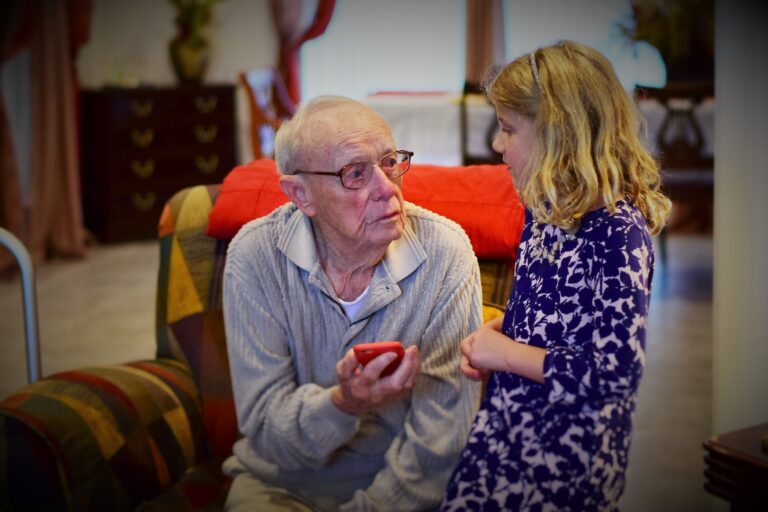
A caregiver who lives on-site and works with the same small group of people every day knows things about your loved one that no intake form captures. They know how she takes her coffee. They know he gets quiet before he gets agitated. They know when something is off, not because they checked a chart, but because they were there yesterday and the day before.
That kind of knowing is what families mean when they say they want their loved one to feel truly cared for. It doesn’t happen by accident. It happens because the environment is small enough to make it possible.
The Difference in Daily Life
Scale affects everything about how a day feels inside a care community.
Mealtimes in a large facility often happen in waves, in a dining room built for volume. In a small cottage, meals are cooked fresh in a real kitchen and eaten at a table with a handful of familiar faces. That’s not a minor detail. For older adults, mealtimes are often the most social part of the day. The difference between eating in a cafeteria and eating at a family table shapes the entire rhythm of daily life.
The same is true for activities, for quiet time, for the pace of the morning routine. Everything slows down in a way that fits the people living there, rather than being organized around the operational needs of a large community.
What Families Notice After the Move
Families who move a loved one into a smaller cottage setting tend to notice a few things quickly.
Their loved one knows the caregivers by name. The caregivers know them. Phone calls to check in are answered by someone who can speak specifically to how the day went, not just generally. Visits feel like visits, not like navigating a facility.
And the family member making those visits gets to be a son or daughter again, not a case manager tracking care from the outside.
Smaller Is Not a Compromise
There’s a version of this conversation where smaller sounds like settling. Less to offer. Fewer options.
That’s not what families find at Unlimited Care Cottages. What they find is a level of attention, consistency, and personal care that a larger community, however well run, is simply not built to provide.
For families across The Woodlands, Willis, Spring, Oak Ridge North, and the surrounding Montgomery County area who are weighing their options, that distinction is worth understanding before the decision gets made.
See It for Yourself
The difference between a large assisted living facility and a residential cottage is easier to feel on a tour than to describe in words.
If you’d like to see what that looks like, we’d be glad to show you.
Call (713) 419-2609 or visit unlimitedcarecottages.com to schedule a visit or ask questions.